Cheap Healthy Breakfast in 2026: Beat Cereal Inflation

Cheap Healthy Breakfast in 2026: Beat Cereal Inflation
Excerpt (155 chars): Cheap healthy breakfast in 2026 means skipping overpriced cereal boxes and building a high-protein, high-fiber base from eggs, oats, and frozen fruit.
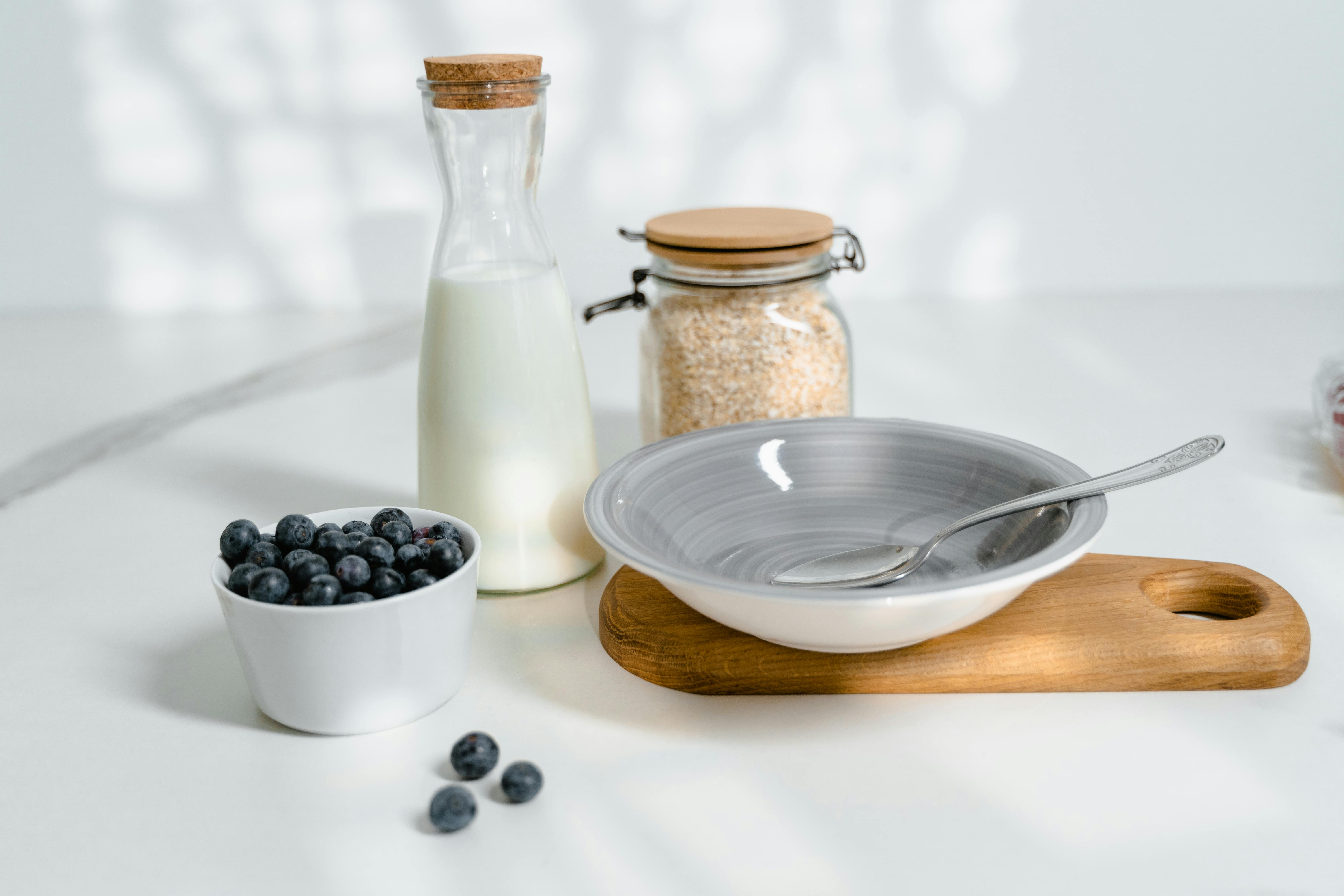
Let’s look at the math: a lot of people are still buying breakfast like it’s 2019, and their grocery budget is paying for it. The latest BLS data (January 2026) shows breakfast cereal up 6.2% year-over-year and cereals/bakery running hot. Meanwhile, USDA’s 2026 outlook has egg prices moving in the opposite direction.
If you want a cheap healthy breakfast in 2026, stop chasing the shiny box and build from staples. This is how you keep breakfast around $1.12 to $1.68 per serving in Philly without pretending you have 45 minutes every morning.
Why Is Breakfast Suddenly So Expensive?
Because packaged convenience keeps sneaking in markups.
BLS January 2026 CPI snapshots:
- Food at home: +2.1% year-over-year
- Cereals and bakery products: +3.1%
- Breakfast cereal: +6.2%
USDA ERS (updated January 23, 2026) is projecting 2026 food-at-home inflation around 1.7%, but category swings still matter. Translation: your overall grocery bill might cool a little, while specific breakfast items still punch your wallet.
And this is where people get trapped. They buy pre-portioned breakfast because they’re tired (valid), then wonder why they spent $26 on six mornings of food (also valid, but fixable).
What Should You Buy Instead? (Aldi/ShopRite Reality List)
Here’s the no-theater list I’d run from Aldi on Aramingo first, then patch at ShopRite if needed.
Core Staples
- Old-fashioned oats, 42 oz canister
- Eggs, 1 dozen
- Frozen spinach, 12 oz
- Frozen mixed berries, 12-16 oz
- Plain yogurt (or store-brand Greek if on sale)
- Peanut butter (store brand, no boutique nonsense)
- Bananas
- Whole wheat bread (only if unit price beats oats for your week)
Why These Win on ROI
- Oats are shelf-stable, fiber-dense, and cheaper per serving than boxed cereal.
- Eggs are versatile: scramble, bake, boil, sandwich.
- Frozen produce does not rot in your crisper drawer by Thursday (that’s cash preservation).
- Bananas are still one of the strongest nutrition-per-dollar plays in the store.
The 3-Breakfast Rotation (Under $2.00 Per Serving)
These are built for weekday chaos, not food photography.
1) Berry PB Overnight Oats
Cost per serving: about $1.12
Rough cost math (Philadelphia discount-grocery pricing, early March 2026 ranges):
- Oats (1/2 cup): $0.18
- Frozen berries (1/2 cup): $0.46
- Peanut butter (1 tbsp): $0.14
- Yogurt splash + water/cinnamon: $0.34
Total: $1.12
Make 3 jars at once. Grab and go.
2) Spinach Egg Toast Stack
Cost per serving: about $1.38
- 2 eggs: $0.72
- Frozen spinach (1/2 cup cooked): $0.28
- 1 slice whole wheat toast: $0.22
- Oil/seasoning: $0.16
Total: $1.38
Use frozen spinach, squeeze out water, scramble hard with garlic powder. Not glamorous. Extremely effective.
3) Hot Oats + Banana + Egg on the Side
Cost per serving: about $1.24
- Oats (1/2 cup): $0.18
- Banana: $0.25
- 1 egg: $0.36
- Cinnamon + pinch salt + splash milk/water: $0.45
Total: $1.24
This combo is clutch on high-hunger mornings because it hits fiber + protein instead of sugar + regret.
What To Stop Buying This Week
If you need your grocery budget to stop bleeding, cut these first:
- Pre-cut fruit cups (usually brutal markup per ounce)
- Individual yogurt drink packs
- Tiny “protein” cereal boxes with premium branding
- Breakfast sandwiches from the freezer aisle when eggs and bread are already in your cart
You’re not paying for nutrition there. You’re paying a convenience tax and a marketing tax (two separate taxes, same wallet).
20-Minute Sunday Prep That Saves Real Money
Do this once, and weekday you will send thank-you notes.
- Hard-boil 6 eggs.
- Portion 3 overnight oats jars.
- Pre-cook a spinach-egg bake in a small pan (4 servings).
- Freeze 4 banana halves for smoothies/oat topping.
That’s your weekday breakfast infrastructure in under 20 minutes of active work.
If you skip prep, you’re way more likely to buy convenience breakfast on the fly (that’s $4 to $9 each time, and it adds up fast).
“But I’m Bored of Oats”
Cool. Rotate texture, not budget.
- Toast dry oats in a pan before cooking for nuttier flavor.
- Make savory oats with egg + spinach + chili flakes.
- Blend oats into pancake batter once a week.
- Switch fruit by sales: apples one week, frozen mango next.
Same base, different format. Your costs stay stable even when trends don’t.
Wellness Theater Check
You do not need imported powders, collagen coffee creamers, or “functional” cereal clusters to eat a solid breakfast. Most of those products are just a price hike in pretty packaging.
If the label says “premium morning ritual” and the unit price says “absolutely not,” trust the unit price.
Takeaway
The trend in 2026 is simple: category inflation is uneven, and boxed breakfast is still taking the bigger hit. The move is to anchor your week around oats, eggs, frozen produce, and one fruit that’s actually affordable in your store.
Build a 3-breakfast rotation, prep once, and keep your average breakfast around $1.25-$1.45 instead of $3-$6. That difference is rent money over time.
Bottom Line
If your breakfast is built from staples, you can eat better for about half the cost of convenience options right now. Start with oats + eggs + frozen fruit, then swap based on weekly sales instead of marketing hype. Your goal this week: keep breakfast under $2.00 per serving and make the math boring.
Tags: cheap healthy breakfast, grocery inflation 2026, unit pricing, aldi budget meals, philadelphia grocery strategy
Sources
- BLS CPI (January 2026): https://www.bls.gov/news.release/cpi.nr0.htm
- USDA ERS Food Price Outlook (updated January 23, 2026): https://www.ers.usda.gov/data-products/food-price-outlook/
- USDA ERS CPI and Expenditures summary: https://www.ers.usda.gov/data-products/chart-gallery/gallery/chart-detail/?chartId=76967